

In times of personal struggle and healing, the unconditional love of a pet can be an irreplaceable source of comfort and motivation. For many individuals seeking addiction treatment, the thought of separating from their beloved animal companions adds an unnecessary layer of stress to an already challenging situation. Fortunately, the rehabilitation landscape is evolving, with more facilities recognizing the therapeutic value that pets bring to the recovery journey.
At Pet Friendly Rehab, we understand that your furry friend isn’t just a pet—they’re family. That’s why we’ve pioneered comprehensive recovery programs that welcome your animal companions, allowing you to focus on healing without the heartache of separation.
The Growing Trend of Pet-Friendly Rehabilitation Centers
The concept of rehab that welcomes furry friend companions is gaining significant traction in the addiction treatment world. This shift reflects a deeper understanding of the holistic nature of recovery and the important role that beloved pets play in emotional well-being.
Recent studies have demonstrated that maintaining the human-animal bond during treatment can significantly improve outcomes. Patients who can keep their pets close show:
- Lower stress and anxiety levels
- Increased program completion rates
- Higher satisfaction with treatment
- Improved emotional stability during difficult therapy sessions
- Greater motivation to participate in recovery activities
These findings have prompted forward-thinking facilities like Pet Friendly Rehab to develop specialized accommodations that benefit both patients and their animal companions.
Benefits of Bringing Your Pet to Rehab for Addiction Recovery
The therapeutic advantages of having your pet with you during rehabilitation cannot be overstated. Here’s how your furry friend can positively impact your recovery journey:
Emotional Support and Stress Reduction
Pets provide unconditional love and acceptance without judgment—qualities that are especially valuable during the vulnerable process of addiction recovery. The simple act of petting a dog or cat releases oxytocin (the “love hormone”) while reducing cortisol (the stress hormone), creating a natural calming effect that supports emotional regulation.
At Pet Friendly Rehab, we’ve witnessed countless clients find comfort in their pets during challenging therapy sessions and emotional breakthroughs.
Routine and Responsibility
Caring for a pet establishes healthy routines and responsibilities that complement the structured environment of rehabilitation. Walking dogs, feeding cats, or simply maintaining your pet’s schedule helps rebuild discipline and accountability—skills that translate directly to successful long-term recovery.
Physical Activity and Outdoor Time
Dog owners in particular benefit from regular walks and playtime, which naturally increases physical activity levels. This gentle exercise promotes better sleep, reduces anxiety, and contributes to overall physical well-being during recovery.
Our facility features specially designed outdoor spaces where clients and their pets can safely enjoy fresh air and exercise together.
Social Connection Catalyst
Pets serve as natural conversation starters and can help break down social barriers between clients in treatment. This facilitates more organic community building within the rehabilitation setting, reducing isolation and fostering supportive relationships.
Reduced Feelings of Abandonment
For many individuals with substance use disorders, feelings of abandonment or isolation have played a role in their addiction. Being forced to surrender a pet during treatment can trigger these same painful emotions. Pet Friendly Rehab’s accommodations ensure you don’t have to choose between getting help and keeping your loyal companion.
Types of Long-Term Rehab Centers That Allow Pets
When searching for the right rehabilitation facility, understanding the various options available can help you make an informed decision that accommodates both your recovery needs and your pet’s well-being.
Luxury Rehab Facilities That Welcome Pets
High-end rehabilitation centers like Pet Friendly Rehab often lead the way in offering pet-friendly accommodations. These luxury facilities typically provide:
- Private rooms with pet-friendly furnishings
- Specialized outdoor areas for pet exercise and relief
- On-site or nearby veterinary services
- Pet-inclusive therapy sessions when appropriate
- Staff trained in both human and animal care
While luxury options may come with a higher price tag, they often provide the most comprehensive pet accommodation services, ensuring both you and your animal companion receive excellent care.
Inpatient Rehab Centers Allowing Dogs and Cats
Traditional inpatient rehab centers are increasingly adopting pet-friendly policies, though the extent of accommodation varies widely. Some facilities may:
- Allow pets only in specific residential units
- Permit certain species or sizes of animals
- Require proof of vaccinations and good temperament
- Have limitations on where pets can go within the facility
Pet Friendly Rehab stands out by offering flexible inpatient options specifically designed around the needs of pet owners in recovery.
Addiction Treatment Centers That Allow Emotional Support Animals
Even facilities that don’t have full pet accommodation programs often make exceptions for certified emotional support animals (ESAs) or service animals. These centers recognize the legitimate therapeutic role these animals play in mental health treatment.
If your animal companion is registered as an ESA, you’ll find more options available, though the specific accommodations may still vary. Pet Friendly Rehab welcomes both formal support animals and beloved pets without requiring special certification.
Pet-Friendly Rehab Centers for Dual Diagnosis
Individuals dealing with co-occurring disorders (substance use alongside mental health conditions) can especially benefit from the comfort of their pets during treatment. Specialized dual diagnosis facilities that accommodate pets provide comprehensive care for complex cases while maintaining the healing bond between patient and animal.
Our team at Pet Friendly Rehab specializes in dual diagnosis treatment that incorporates the positive influence of your pet into your personalized recovery plan.
How to Find a Rehab That Allows Pets Near Me
Locating the right pet-friendly rehabilitation facility in your area requires research and careful consideration of several factors.
Research Strategies
Start your search with these effective approaches:
- Online directories specializing in pet-friendly rehab facilities Many addiction treatment resource websites now include filters for pet-friendly options.
- Direct outreach to local treatment centers Call facilities directly to inquire about their pet policies, as website information may not always be current.
- Consult with addiction specialists familiar with pet accommodation options Professionals who work with multiple facilities often know which centers offer pet-friendly programs.
- Join online support communities for pet owners in recovery Fellow pet owners who have been through rehabilitation can offer valuable firsthand recommendations.
Questions to Ask Potential Facilities
When evaluating potential rehab centers, ask these important questions:
- What types of pets are allowed (species, sizes, breeds)?
- Are there additional fees for pet accommodation?
- What areas of the facility are accessible to pets?
- What pet-related amenities are provided (food, bedding, toys, etc.)?
- Is there a veterinarian on staff or nearby?
- Are there specific health requirements (vaccinations, flea treatments, etc.)?
- Can pets participate in therapy sessions?
- What happens if my pet becomes disruptive or ill during my stay?
At Pet Friendly Rehab, we welcome these questions and provide transparent information about our comprehensive pet accommodation program.
Pet Accommodations at Rehabilitation Centers
The quality and extent of pet accommodations vary significantly between facilities. Here’s what to look for:
Physical Setup for Pets
Leading pet-friendly centers like Pet Friendly Rehab typically offer:
- Pet-proofed private or semi-private rooms
- Dedicated outdoor exercise areas and relief stations
- Secure fencing and safe environmental features
- Separate spaces for different types of animals when needed
- Appropriate flooring and furnishings that withstand pet wear
Pet Care Services
Comprehensive pet-friendly programs should address your pet’s needs while you focus on recovery:
- Staff members who can assist with pet care when needed
- Regular feeding and exercise schedules
- Basic grooming services or assistance
- Emergency veterinary protocols
- Enrichment activities for pets
Pet Integration in Therapy
Innovative facilities integrate pets into the therapeutic process:
- Animal-assisted therapy sessions
- Group activities that include pets
- Training on how your relationship with your pet can support recovery
- Counseling that addresses the human-animal bond

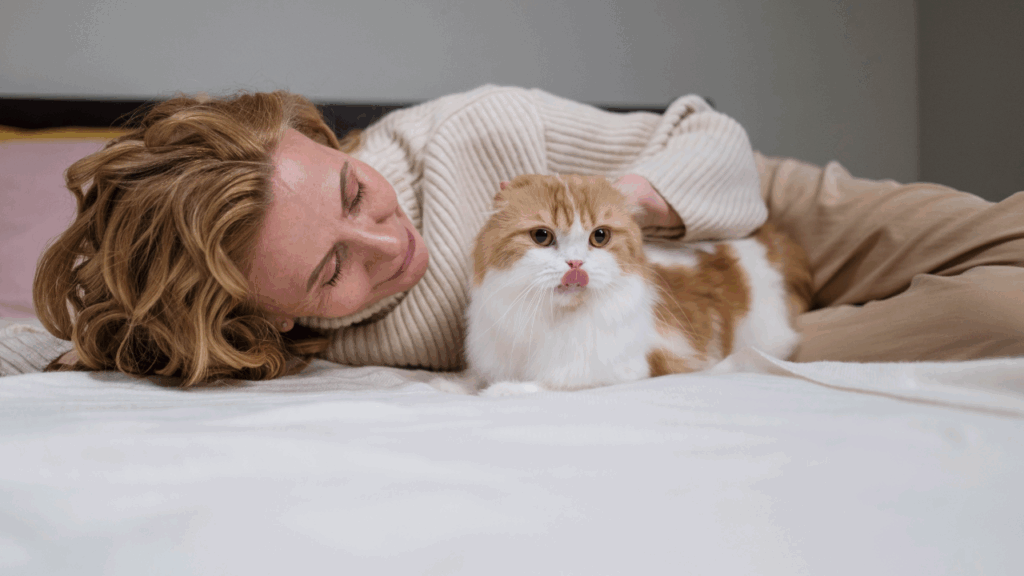
Rehab Centers with Pet Visitation for Long-Term Stays
For facilities that don’t allow full-time pet residency, pet visitation programs offer an alternative. These programs enable periodic visits from your animal companion during extended treatment stays.
How Visitation Works
Typical pet visitation protocols include:
- Scheduled visitation days and times
- Designated meeting areas appropriate for animals
- Staff supervision during visits
- Health and behavior requirements for visiting pets
- Transportation arrangements for pets living with family or boarding facilities
Benefits of Even Limited Pet Contact
Even if your pet can’t stay with you full-time, regular visits can:
- Provide emotional touchpoints throughout treatment
- Give you something positive to look forward to
- Maintain your bond during separation
- Ease the transition back to normal life after treatment
- Reduce anxiety about your pet’s well-being during your absence
Pet Friendly Rehab offers flexible options for those who need visitation rather than full-time accommodation for their pets.
Are There Any Rehab Centers That Allow Birds and Other Small Pets?
While dogs and cats are most commonly accommodated in pet-friendly facilities, options for other animal companions are growing. Pet Friendly Rehab has pioneered inclusive policies for various species.
Accommodations for Small Mammals
Guinea pigs, rabbits, hamsters, and other small mammals can often be accommodated more easily than larger pets, requiring:
- Secure, appropriate housing
- Proper ventilation and temperature control
- Protection from potential allergens affecting other clients
- Quiet spaces away from high-traffic areas
Bird-Friendly Facilities
Birds present unique considerations that some specialized rehab centers address:
- Rooms with appropriate air quality and temperature stability
- Noise management protocols
- Secure areas where birds can safely spend time outside their cages
- Staff familiar with avian needs and behaviors
Reptile and Exotic Pet Considerations
For less conventional pets, finding appropriate accommodation may require more research, but specialized facilities exist that can handle:
- Appropriate temperature and humidity requirements
- Specialized feeding schedules
- Unique housing needs
- Staff with relevant knowledge and experience
Pet-Friendly Outpatient Rehab Programs
For those who don’t require residential treatment, pet-friendly outpatient programs offer significant advantages:
- Maintain your normal living situation with your pet
- Avoid separation anxiety for both you and your animal
- Continue established routines while receiving treatment
- Use your pet as motivation for attending regular sessions
- Practice recovery skills in your real-life environment with your pet
Pet Friendly Rehab’s comprehensive outpatient programs incorporate your animal companion into your recovery strategy, recognizing their value in maintaining motivation and emotional stability.
Preparing Your Pet for the Rehab Environment
Successful integration of your pet into a rehabilitation setting requires preparation:
Health Requirements
Most pet-friendly facilities will require:
- Up-to-date vaccinations
- Recent veterinary health certificate
- Flea and tick prevention
- Spaying or neutering in most cases
- Disclosure of any medical conditions or special needs
Behavioral Considerations
Your pet should be:
- Comfortable around strangers
- Non-aggressive toward people and other animals
- House-trained or properly contained
- Able to adjust to new environments without extreme stress
- Responsive to basic commands (for dogs)
What to Pack for Your Pet
Essential items typically include:
- Sufficient food for your stay (or knowledge of what the facility provides)
- Medications and medical records
- Familiar bedding and toys
- Leash, collar, and identification tags
- Cleaning supplies and waste management tools
- Comfort items that smell like home
Pet Friendly Rehab provides a detailed checklist to ensure your pet’s transition is as smooth as possible.
Financial Considerations for Pet-Friendly Rehab
Accommodating pets in treatment facilities often involves additional costs that should be factored into your planning:
Additional Fees
Common pet-related expenses may include:
- Pet accommodation surcharges
- Cleaning and maintenance fees
- Pet food and supply costs (if not brought from home)
- On-site pet care services
- Veterinary visits during your stay
Insurance and Funding Options
While standard insurance typically doesn’t cover pet-related fees, some options exist:
- HSA/FSA funds for legitimate therapy animals
- Specialized loans for comprehensive treatment
- Scholarships from animal welfare organizations for pet owners seeking treatment
- Sliding scale fees at some facilities
Pet Friendly Rehab works with clients to find affordable solutions that keep families—including furry family members—together during recovery.
Success Stories: Recovery with Furry Friends
The impact of pet-inclusive rehabilitation goes beyond theory—real people have experienced transformative recoveries with their animal companions by their side.
“When I learned I could bring my dog Bella to treatment, it removed my last excuse for avoiding rehab. Having her with me through detox and therapy gave me strength on my hardest days. Three years later, we’re both living our best lives.” – Michael R.
“My cat Luna had been my only consistent support through years of addiction. The thought of leaving her behind nearly kept me from seeking help. Finding a center that welcomed her made all the difference—I could focus completely on my recovery knowing she was safe with me.” – Sarah T.
These stories reflect the powerful healing that occurs when the human-animal bond remains intact throughout the recovery journey.
Conclusion: Making the Right Choice for You and Your Pet
Finding a rehab that welcomes furry friend companions requires careful research and consideration of both your treatment needs and your pet’s well-being. The growing availability of pet-friendly options reflects a positive shift toward more holistic, compassionate approaches to addiction recovery.
At Pet Friendly Rehab, we believe that healing happens best when you don’t have to choose between getting help and keeping your beloved animal companion close. Our comprehensive programs are designed to support both human and animal wellness throughout the recovery journey.
If you or a loved one is struggling with addiction and concerned about pet accommodation during treatment, reach out to our compassionate team today. We’re committed to finding solutions that work for your entire family—including those members with fur, feathers, or scales.
Frequently Asked Questions About Pet-Friendly Rehab
1. Do I need to provide proof that my pet is an emotional support animal to bring them to rehab?
At Pet Friendly Rehab, we welcome both certified emotional support animals and beloved pets without requiring special documentation. However, policies vary among facilities—some may only accommodate animals with official ESA certification. Always verify specific requirements before admission.
2. What happens if my pet becomes ill during my stay in rehab?
Most pet-friendly facilities, including Pet Friendly Rehab, have established protocols for pet health emergencies. These typically include relationships with nearby veterinarians, transportation plans for animal medical care, and staff trained to recognize signs of pet distress. Ask about these procedures when researching facilities.
3. Can my family bring different pets for visits if my pet can’t stay with me full-time?
Many centers with visitation programs will accommodate different family pets during scheduled visits, provided they meet health and behavior requirements. Pet Friendly Rehab offers flexible visitation options that can include various family pets, understanding that many households have multiple animal companions.
4. Are there specialized rehab programs that incorporate animal therapy even if I don’t have a pet?
Yes, many facilities offer animal-assisted therapy programs utilizing trained therapy animals, even for clients who don’t bring personal pets. These programs provide many of the same benefits of animal interaction without the responsibility of full-time pet care during recovery.
5. How do pet-friendly rehabs handle situations where other clients have allergies or fears?
Responsible facilities maintain separate living areas for clients with pets and those without. Air filtration systems, regular cleaning protocols, and thoughtful scheduling of shared spaces help minimize allergy concerns. Pet Friendly Rehab has designed its campus specifically to accommodate pets while protecting the comfort and health of all clients.
6. What types of therapy can include my pet at a pet-friendly rehab center?
Innovative pet-inclusive therapies may include:
- Individual counseling sessions with your pet present
- Animal-assisted therapy techniques applied to your own pet
- Group sessions where appropriate pets participate
- Mindfulness and stress-reduction exercises involving pet interaction
- Recreational therapy that incorporates pet care and play
7. Is it possible to transfer to a pet-friendly facility if I’ve already started treatment elsewhere?
Yes, many people successfully transfer to pet-friendly facilities like Pet Friendly Rehab after beginning treatment elsewhere. Working with both facilities to ensure continuity of care is essential for a smooth transition that benefits your recovery process.
8. How do I know if my pet’s temperament is suitable for a rehab environment?
Consider whether your pet:
- Adjusts well to new environments and people
- Has a history of calm behavior in public settings
- Doesn’t show signs of aggression toward strangers
- Can handle some schedule changes and new routines
- Doesn’t become excessively vocal when stressed
If you’re unsure, Pet Friendly Rehab offers pre-admission consultations to help assess whether your pet would thrive in our environment.
9. What alternative arrangements can be made if my pet isn’t suitable for staying at rehab?
If your pet isn’t a good candidate for full-time accommodation, alternatives include:
- Regular visitation programs
- Video calls with family members caring for your pet
- Partnership programs with local boarding facilities offering special rates
- Foster care arrangements with trusted organizations during your treatment
10. How do pet-friendly rehabs measure the impact of animal companionship on recovery outcomes?
Leading facilities like Pet Friendly Rehab track various metrics to assess the impact of pet inclusion:
- Completion rates compared to traditional programs
- Client satisfaction scores
- Stress biomarkers before and during animal interaction
- Long-term sobriety outcomes
- Qualitative feedback on the role of pets in the recovery process
These measurements help refine and improve pet-friendly programs while providing evidence for their therapeutic value.