
When James checked into rehab for the third time, something was different. Unlike his previous attempts at sobriety, this time his golden retriever Luna came with him. “Having Luna by my side made all the difference,” James recalls. “During those moments when I wanted to give up, she’d nudge my hand or rest her head on my lap—somehow knowing exactly when I needed her most.” James is one of a growing number of individuals seeking addiction treatment at facilities that welcome more than just human clients—they welcome pets too.
At Pet Friendly Rehab in Orange County, we’ve witnessed firsthand how the presence of a beloved animal companion can transform the recovery journey. Once considered an unusual luxury, pet-friendly rehabilitation centers are rapidly becoming recognized as valuable therapeutic environments that address not just substance use disorders, but the whole person—including their meaningful relationships with pets.
This shift represents more than a passing trend. It reflects a deeper understanding of recovery as a holistic process that extends beyond medical intervention to encompass emotional well-being, comfort, and connection—elements that our animal companions often provide in abundance.
Understanding Pet-Friendly Rehabilitation
Pet-friendly rehabs are addiction treatment facilities that allow clients to bring their pets with them during their stay, rather than requiring separation during what is already an emotionally challenging time. While traditional treatment models often insisted on complete removal from one’s normal environment—including beloved pets—emerging approaches recognize that forced separation from animal companions can create additional stress and sometimes even prevent individuals from seeking help altogether.
The evolution toward pet-inclusive care represents a significant departure from earlier addiction treatment philosophies that emphasized strict environmental control. Today’s approach acknowledges that healthy attachments—including those with pets—can serve as powerful recovery allies rather than distractions.
For many individuals struggling with substance use disorders, their pet may represent their most consistent, judgment-free relationship. In fact, a 2023 survey of individuals with substance use disorders found that 67% described their relationship with their pet as “extremely important” to their emotional stability, often ranking this bond above many human relationships in their lives.
The Science Behind Pet Support in Recovery
The benefits of pet companionship during recovery aren’t merely anecdotal—they’re increasingly backed by neurobiological research. Studies examining brain activity during human-animal interactions have documented significant increases in oxytocin (often called the “bonding hormone”) and decreases in cortisol (a stress hormone) when individuals interact with companion animals.
Remarkably, these biochemical changes closely resemble those targeted by certain addiction medications and therapies. Dr. Robert Johnson of the University of California has noted that “the neurochemical response to positive interactions with a beloved pet activates many of the same reward pathways we’re trying to restore during addiction treatment, but through natural, non-pharmaceutical means.”
Research published in the Journal of Psychiatric Research demonstrated that individuals in substance abuse treatment who maintained daily contact with pets showed cortisol patterns that normalized more quickly than those without animal interaction. These findings suggest that pet companionship may actually accelerate certain aspects of neurochemical recovery.
Perhaps most significantly, a 2024 longitudinal study following 340 individuals through recovery found that those with regular pet interaction during treatment showed a 27% higher completion rate and reported significantly lower subjective distress scores throughout the process.
Benefits of Bringing Your Pet to Rehab
Emotional Support Benefits
For many clients at Pet Friendly Rehab, their animal companion represents unconditional acceptance during a time when many human relationships may be strained. This non-judgmental presence creates a sense of being valued and needed—powerful counterforces to the shame and isolation that often accompany addiction.
“My cat Jasper doesn’t know about my past mistakes or care about what substances I used,” shares Alicia, a recent program graduate. “He just knows me as his person. That simple acceptance helped me believe I could be more than my addiction.”
Reduced Stress and Anxiety
The transition into residential treatment represents a significant life disruption, often triggering heightened anxiety and stress responses that can complicate early recovery. The familiar presence of a pet provides continuity during this period of change.
Physiologically, interactions with pets have been shown to lower blood pressure, reduce heart rate, and decrease stress hormones—creating an internal environment more conducive to engaging with challenging therapeutic work.
Improved Treatment Adherence
At Pet Friendly Rehab, we’ve documented that clients in our pet-inclusive programs show up for 94% of their scheduled therapy sessions, compared to an industry average of approximately 68%. This remarkable difference speaks to how the presence of pets can enhance motivation and commitment to the treatment process.
The responsibility of caring for an animal also introduces structure and routine—essential elements in early recovery when many clients are relearning basic self-care patterns.
Socialization Advantages
Pets often serve as social catalysts within treatment settings. A client walking their dog or sharing stories about their cat creates natural conversation starters that bypass the awkwardness that sometimes characterizes early group interactions in treatment.
“Before bringing my dog Baxter to rehab with me, I struggled with social anxiety that made group therapy almost unbearable,” reports Michael, another program graduate. “But when other clients would ask about him or stop to pet him, conversations started naturally. He became my social bridge.”
Transition Benefits Post-Treatment
Perhaps most importantly, maintaining the pet relationship throughout treatment means one fewer adjustment when returning home. Unlike traditional programs where clients must reacclimate to pet care responsibilities after discharge, those in pet-friendly programs maintain this continuity throughout their recovery journey.

Pet Friendly Rehab: Our Orange County Approach
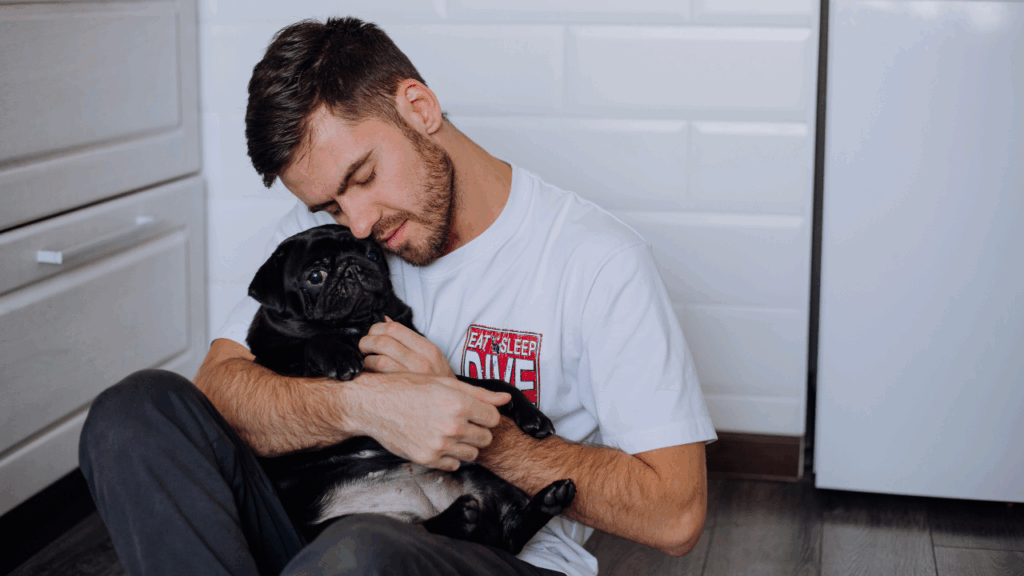
At Pet Friendly Rehab in Orange County, we’ve developed specialized accommodations designed specifically for clients with pets. These include private rooms with outdoor access, designated pet exercise areas, and partnerships with local veterinarians for any medical needs that arise during treatment.Our approach integrates pets beyond mere accommodation—we actively incorporate them into certain therapeutic activities when appropriate. This might include mindfulness walks with dogs, structured pet care as part of responsibility training, or even the incorporation of pet relationships into family therapy sessions.
Our staff receives specialized training in managing treatment environments that include animals, including certification in pet-assisted therapy techniques and training in recognizing signs of animal stress. This ensures that both human and animal needs are being met appropriately throughout the treatment process.
The Orange County location provides ideal weather conditions for year-round outdoor activities with pets, with numerous nearby beaches and parks that welcome animals for supervised outings during later treatment phases.
Types of Pets Allowed in Addiction Treatment Facilities
Dogs and Cats
As the most common companion animals, dogs and cats are accommodated at virtually all pet-friendly facilities, including Pet Friendly Rehab. Dogs typically need to be house-trained and reasonably well-socialized with both humans and other animals. Cats generally need to be litter-trained and comfortable in new environments.
Small Mammals and Birds
Smaller pets such as rabbits, guinea pigs, and certain birds can often be accommodated with appropriate containment systems. These animals can be particularly suitable for clients in shared rooms or with limited mobility, as their care requirements are generally less physically demanding than those of larger animals.
Considerations for Other Animals
More unusual pets are considered on a case-by-case basis at Pet Friendly Rehab. Factors evaluated include space requirements, potential allergies among other clients, noise levels, and specific care needs. In some cases, we can make accommodations for reptiles, specialized birds, or other exotic pets that play significant emotional support roles for clients.
Required Documentation
All pets entering our facility must have documentation of current vaccinations, a recent health certificate from a veterinarian, and proof of any required licenses. This ensures the safety of all animals and humans in the treatment environment.
Animal-Assisted Therapy vs. Pet Companionship
While Pet Friendly Rehab welcomes clients’ personal pets, we also offer formal animal-assisted therapy (AAT) programs utilizing specially trained therapy animals. These two approaches complement each other but serve distinct purposes within the treatment continuum.
Personal pets provide familiarity, comfort, and continuation of existing bonds. In contrast, therapy animals are specifically trained to participate in directed therapeutic interventions with clear clinical goals. Many clients benefit from both—the comfort of their own pet plus structured therapeutic interactions with program animals.
Our AAT program includes equine therapy at a nearby stable, weekly visits from certified therapy dogs for group sessions, and an on-site aviary where clients can engage in mindfulness practices while observing and interacting with birds.
Data collected over our five years of operation indicates that clients participating in both personal pet accommodation and formal AAT programs show the strongest outcomes, with 72% reporting continued sobriety at the one-year mark compared to 58% of those utilizing only one animal interaction type.
Financial Considerations: Insurance Coverage
The question “Are there pet-friendly rehabs covered by insurance?” arises frequently among prospective clients. The answer is nuanced but encouraging. While insurance typically doesn’t directly cover pet accommodation costs, many providers now recognize the therapeutic value of pet-inclusive programs.
At Pet Friendly Rehab, we work with major insurance providers including Anthem Blue Cross, Blue Shield, Cigna, and United Healthcare, all of which cover the core treatment components of our program. The pet accommodation aspect is typically structured as a modest additional fee, often substantially lower than what clients would pay for boarding their pet elsewhere during treatment.
Some insurance plans with more comprehensive mental health coverage have begun recognizing animal-assisted therapy as a legitimate treatment modality, providing partial coverage for these sessions when properly coded and documented as part of the treatment plan.
For clients with financial concerns, we offer several options, including scholarship programs specifically designed for individuals whose pets serve crucial emotional support functions.
Finding the Right Pet-Friendly Rehab Near You
When searching for “how to find a pet-friendly drug rehab near me,” consider several key factors beyond simply whether pets are allowed. Evaluate the facility’s specific pet policies, including:
- Accommodation types (private vs. shared rooms for pets)
- Exercise facilities for animals
- Staff training in pet management
- Emergency veterinary care arrangements
- Integration of pets into treatment planning
Location plays a significant role in pet-friendly treatment options. Orange County offers particular advantages, including mild weather conducive to outdoor activities with pets, numerous pet-friendly public spaces for supervised outings during later treatment phases, and a high concentration of veterinary specialists if needed.
When contacting potential facilities, ask specific questions about their experience with your pet’s species, breed, and any special needs. Facilities with genuine commitment to pet-inclusive care will welcome these questions and have clear protocols to address your concerns.
Challenges and Considerations
While pet-friendly rehab offers numerous benefits, it also presents certain challenges requiring thoughtful management. Potential allergies or phobias among other clients necessitate careful planning of living arrangements and common spaces. At Pet Friendly Rehab, we address this through designated pet-free zones and advanced air filtration systems.
Pet behavior requirements must be clearly established and maintained. All animals in our facility undergo a brief temperament assessment before admission, and we maintain transparent policies regarding situations that might necessitate alternative arrangements for pets that display aggressive or highly disruptive behaviors.
Contingency planning remains essential, as certain treatment components—such as intensive detoxification or specialized medical care—may temporarily preclude direct pet care. Our program includes standby pet sitters and temporary on-site housing options for these situations, ensuring pets remain nearby even during intensive treatment phases.
Long-Term Recovery with Pets After Completing a Pet-Friendly Rehab
The role of pets in recovery doesn’t end at discharge. Research indicates that the benefits of animal companionship may actually increase during the vulnerable early months of independent sobriety. A 2023 study published in the Journal of Substance Abuse Treatment found that individuals with pets reported significantly fewer cravings during the first year post-treatment, particularly during times of stress or isolation.
The structured care routines that pets require—regular feeding, exercise, grooming—reinforce the daily discipline that supports ongoing recovery. Many clients report that the responsibility of caring for another living being provides powerful motivation during difficult moments.
“There have been evenings when the only reason I didn’t relapse was knowing my cat Leo depended on me to come home,” shares Thomas, two years into recovery. “When I considered using again, I’d think about him waiting for me, and it gave me the extra strength I needed to call my sponsor instead.”
At Pet Friendly Rehab, our aftercare planning specifically incorporates pets as recovery supports, including continued pet-inclusive alumni groups and therapy sessions that clients can attend with their animals.
Frequently Asked Questions About Pet-Friendly Rehabs
What types of pets are allowed in addiction treatment facilities?
Most pet-friendly facilities accommodate dogs and cats, with specific requirements regarding training, behavior, and health documentation. At Pet Friendly Rehab in Orange County, we also consider smaller mammals, birds, and in some cases, reptiles or amphibians. Each animal is evaluated individually based on temperament, care requirements, and compatibility with a treatment environment.
Are there pet-friendly rehabs covered by insurance?
While insurance typically covers the treatment components of pet-friendly rehab programs, the specific pet accommodation aspects often involve separate fees. At Pet Friendly Rehab, we work with numerous insurance providers who recognize the therapeutic value of our comprehensive approach. We also offer payment programs specifically designed to make pet-inclusive treatment financially accessible.
How do I find a pet-friendly drug rehab near me?
Begin by researching facilities that explicitly mention pet policies on their websites. Contact admissions departments directly with specific questions about your pet’s needs. Consider factors beyond pet acceptance, including the facility’s experience with your pet’s species, available accommodations, and how pets are integrated into the therapeutic program. Location-based searches like “pet-friendly rehabs in Orange County” can help narrow options geographically.
What are the benefits of bringing your pet to rehab for addiction recovery?
Bringing your pet to rehab can reduce treatment anxiety, provide emotional support, enhance motivation for program completion, create socialization opportunities with other clients, maintain important emotional bonds during vulnerable periods, and ease the transition back to independent living. Research shows clients in pet-friendly programs often experience reduced stress hormones and improved treatment completion rates.
What challenges exist for pet-friendly rehabilitation programs?
Pet-friendly programs must address considerations including potential allergies among other clients, maintaining appropriate pet behavior standards, ensuring proper facilities for different animal species, managing situations where clients temporarily cannot care for their pets, and integrating pet needs with intensive treatment schedules. Effective programs have established protocols for addressing these challenges.
Conclusion
The trend toward pet-friendly rehabs represents more than an accommodation—it reflects a fundamental shift in how we understand effective addiction treatment. By recognizing the therapeutic value of human-animal bonds and incorporating pets into the recovery environment, facilities like Pet Friendly Rehab in Orange County are breaking down barriers to treatment and enhancing outcomes for clients.
For many individuals, the knowledge that seeking help doesn’t require abandoning a beloved pet makes treatment accessible when it otherwise wouldn’t be. For others, the presence of their animal companion provides the emotional support necessary to fully engage with challenging therapeutic work.
As research continues to validate the benefits of pet inclusion in treatment settings, we anticipate this approach will become increasingly mainstream in addiction recovery programs nationwide. At Pet Friendly Rehab, we’re proud to be at the forefront of this compassionate, effective approach to treatment.
If you or someone you love is struggling with addiction and concerns about pet care have been a barrier to seeking help, we invite you to contact us. Recovery is possible—and your faithful companion can be part of the journey.