
The journey to sobriety and mental wellness is challenging enough without having to leave behind the companions who provide unconditional love and support. Recognizing this reality, a growing number of rehabilitation centers across the country are now embracing pet-friendly policies, allowing individuals to bring their beloved animals with them during treatment.
Pet Friendly Rehab pioneered this approach in Orange County CA, creating a therapeutic environment where both humans and their animal companions can heal together. Our facilities were designed with the understanding that the human-animal bond can be a powerful catalyst for recovery, providing comfort, routine, and emotional support during one of life’s most challenging transitions.
This comprehensive guide will walk you through everything you need to know about pet-friendly rehabilitation options: why they matter, how to find them, what to expect, and how to prepare both yourself and your pet for the journey ahead. Whether you’re seeking treatment for yourself or a loved one, understanding the options for pet-inclusive recovery can make the difference between reluctantly entering treatment and embracing the path to wellness.
Why Pets Matter in Recovery
The science behind the human-animal bond is compelling, especially when applied to addiction and mental health recovery. Research published in the Journal of Psychiatric Research shows that patients with pets during rehabilitation experience decreased stress hormones, lower blood pressure, and reduced anxiety—all critical factors in maintaining sobriety.
The statistics support this observation. A 2023 study from the University of Washington found that individuals in pet-inclusive recovery programs had a 27% higher completion rate than those in traditional settings. Additionally, the relapse rate within the first year was reduced by 22% for individuals who maintained their connection with pets throughout treatment.
Pets provide a unique form of support that even the most compassionate human caregivers cannot replicate:
- They offer non-judgmental companionship without triggering feelings of shame or guilt
- They create structure through their need for regular care and feeding
- They facilitate social interaction with other residents and staff
- They provide tactile comfort through physical touch, which can reduce cravings
- They serve as living reminders of life beyond addiction and the responsibilities waiting after treatment
For many, the thought of separating from a pet creates such anxiety that it becomes a barrier to seeking help. By removing this obstacle, pet-friendly rehab centers are making treatment accessible to a population that might otherwise continue suffering in silence.
Types of Pet-Friendly Rehabilitation Programs
Inpatient Programs that Allow Pets
Residential treatment programs that accommodate pets represent the gold standard in pet-friendly recovery. These facilities typically offer 30, 60, or 90-day programs where clients and their animals live on-site throughout the duration of treatment.
In these settings, residents receive comprehensive care including:
- Individual therapy
- Group counseling
- Medical supervision
- Nutritional support
- Holistic treatments
- Specialized pet-inclusive therapeutic activities
The physical layout of these facilities includes pet-friendly accommodations such as private rooms with space for pet beds and crates, designated outdoor areas for exercise and elimination, and sometimes even specialized pet recreation areas.
At Pet Friendly Rehab’s Orange County facility, we’ve gone further by including a veterinary technician on staff who can address minor pet health concerns and coordinate with local veterinarians for more serious issues, ensuring that both human and animal needs are met during the recovery process.
Outpatient Programs with Pet Inclusion
For those whose addiction doesn’t require 24-hour supervision, pet-friendly outpatient programs offer another viable option. These programs allow clients to attend treatment sessions during the day while returning home to their pets each evening, or in some cases, to bring their well-behaved pets to certain therapy sessions.
Outpatient programs with pet inclusion typically offer:
- Flexible scheduling that accounts for pet care needs
- Therapy rooms where appropriate pets can be present
- Animal-assisted therapy sessions
- Resources for pet care during treatment hours if needed
This approach works particularly well for individuals with strong home support systems and pets that might not adapt well to a new living environment.
Luxury Rehabilitation Centers
For those seeking premium accommodations and services, luxury pet-friendly rehabilitation centers provide top-tier treatment with extensive amenities for both clients and their animal companions.
These facilities often feature:
- Spacious private suites designed for human-animal cohabitation
- Professional pet care services during therapy hours
- Gourmet meal options for both residents and pets
- Extensive grounds for walking and outdoor activities
- Specialized animal-assisted therapy programs
- Resort-style amenities
Pet Friendly Rehab’s luxury program includes all these features plus specialized pet-human bonding activities designed to strengthen the therapeutic benefits of the animal-human relationship during recovery. Our premium suites include pet-specific spaces with custom bedding, toy assortments, and even pet-safe furniture designed for comfort and cleanliness.

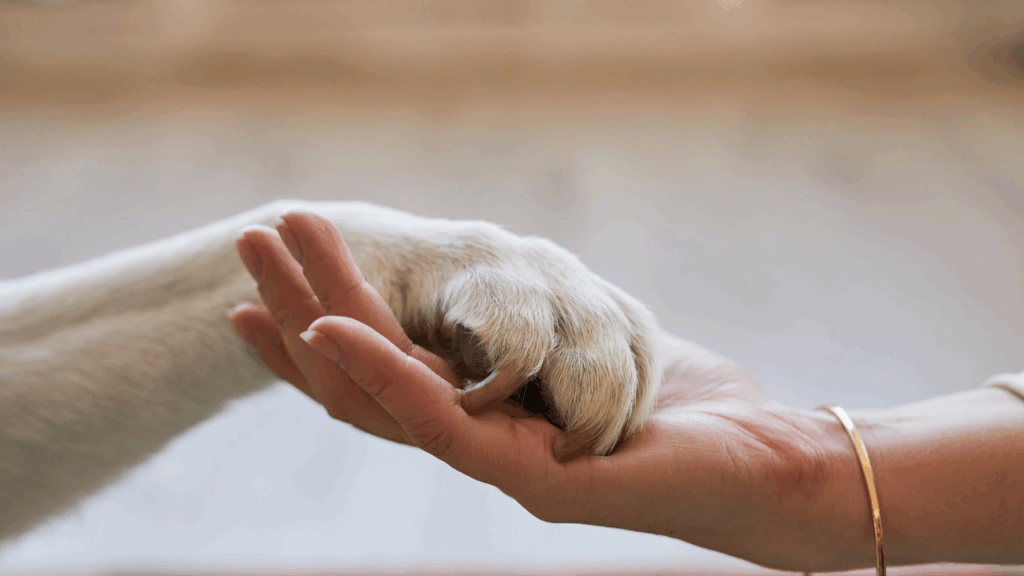
Finding Pet-Friendly Rehab Centers in Orange County CA
Pet Friendly Rehab’s Approach
Pet Friendly Rehab has created a unique healing environment where the therapeutic power of nature combines with evidence-based addiction treatment, all while keeping clients connected to their beloved animals.
Our facilities include:
- 35 acres of secured, pet-friendly grounds
- Private and semi-private accommodations designed for pets
- On-site pet grooming facilities
- Dedicated pet exercise areas
- Pet-inclusive therapy spaces
- Emergency veterinary services on call 24/7
Our pet policy accommodates dogs, cats, and certain other companion animals, with each case evaluated individually to ensure the safety and comfort of all residents and their animals. We require proof of vaccinations and a basic behavioral assessment to maintain a peaceful community environment.
What truly sets Pet Friendly Rehab apart is our integrated approach to human and animal wellness. We don’t simply allow pets; we incorporate them meaningfully into the recovery journey, with specialized programming that leverages the human-animal bond for therapeutic benefit.
Questions to Ask When Researching Facilities
When investigating pet-friendly rehabilitation options, asking the right questions can help you determine if a facility will truly meet both your needs and those of your pet:
- What types and sizes of pets are allowed?
- Are there breed or temperament restrictions?
- What documentation is required for pets?
- Who cares for my pet when I’m in therapy sessions?
- Are there additional fees for pet accommodation?
- What happens if my pet becomes ill during my stay?
- Are there pet-specific amenities on site?
- Can my pet participate in any therapy sessions?
- What happens if my pet and I are not a good fit for the program?
- Are there quiet hours or other pet-related policies I should know about?
Quality facilities will have clear, well-thought-out answers to these questions and will be transparent about any limitations of their pet programs.
Pet Policies and Considerations
Types of Animals Typically Allowed
While “pet-friendly” is a broad term, practical considerations mean that most rehabilitation centers have limitations on the types of animals they can accommodate. Typically, facilities are equipped to handle:
- Dogs (often with size or breed restrictions)
- Cats
- Small caged mammals (rabbits, guinea pigs, etc.)
- In some cases, birds
Exotic pets, reptiles, and aquarium animals may be more challenging to accommodate due to their specialized care needs, though some luxury facilities may make exceptions with proper advance planning.
Most commonly, pet policies include restrictions based on:
- Size (many facilities have weight limits for dogs)
- Behavior (aggressive animals are typically not permitted)
- Health status (pets must be current on vaccinations and free of contagious conditions)
- Care requirements (pets that need highly specialized care may not be suitable)
At Pet Friendly Rehab, we evaluate each animal companion individually rather than applying blanket restrictions, recognizing that the temperament and training of the animal is more important than its size or breed.
Emotional Support Animals vs. Service Animals
Understanding the distinction between service animals, emotional support animals (ESAs), and pets is crucial when seeking treatment options:
Service Animals are defined by the Americans with Disabilities Act as dogs (and in some cases miniature horses) that are individually trained to perform specific tasks for people with disabilities. These animals have the broadest legal protections and must be accommodated by most facilities, regardless of general pet policies.
Emotional Support Animals provide comfort through their presence but aren’t trained for specific tasks. They have fewer legal protections than service animals but more than regular pets. Many facilities that don’t allow pets will make exceptions for documented ESAs.
Pets without service or support designation have the fewest legal protections, but are the focus of truly pet-friendly facilities like ours.
Pet Friendly Rehab accommodates all three categories, understanding that the line between them can sometimes blur in terms of the support they provide during recovery. We do, however, maintain different protocols for each category to ensure compliance with relevant regulations and the safety of all residents.
Preparing Your Pet for Rehab
Required Documentation
Proper preparation ensures a smooth transition for both you and your pet. Most pet-friendly facilities, including Pet Friendly Rehab, require the following documentation:
- Current vaccination records (rabies, distemper, bordetella for dogs; rabies and FVRCP for cats)
- Health certificate from a veterinarian (issued within 10-30 days of admission)
- Proof of flea/tick preventative treatment
- Spay/neuter documentation (preferred but not always required)
- Medication list and instructions if applicable
- Behavioral assessment or history
- Proof of emotional support or service animal status, if applicable
Planning ahead for these requirements can prevent last-minute scrambling that adds stress to an already challenging time.
Packing for Your Pet
Creating comfort for your pet in a new environment helps them adjust more quickly, which in turn supports your ability to focus on recovery. Essential items to bring include:
- Food and treats (at least a two-week supply)
- Medications and supplements
- Food and water bowls
- Leash, harness, and collar with ID tags
- Bed and blankets with familiar scents
- Favorite toys
- Grooming supplies
- Crate or carrier if used at home
- Litter and litter box for cats
- Waste bags for dogs
- Recent photos of your pet
- Written care instructions
At Pet Friendly Rehab, we provide some basic pet supplies for emergencies, but we encourage bringing your pet’s familiar items to maintain consistency and comfort.
FAQs About Pet-Friendly Rehab
1. Can I bring my dog to rehab?
Yes, many rehabilitation centers, including Pet Friendly Rehab, allow dogs to accompany their owners during treatment. Policies vary regarding size, breed, and behavior requirements. Dogs generally need to be well-behaved, non-aggressive, housetrained, and current on all vaccinations. Some facilities may conduct a temperament assessment before admission to ensure the dog will adapt well to the environment.
2. Are there luxury rehab centers that allow pets?
Absolutely. Luxury rehabilitation centers often lead the way in pet-friendly accommodations, offering premium amenities for both humans and animals. These facilities typically provide spacious private rooms, dedicated pet exercise areas, professional pet care during therapy sessions, and sometimes even pet-specific activities. Pet Friendly Rehab’s luxury program in Orange County CA features all these amenities plus specialized pet-human integrated therapy options.
3. How do I find a pet-friendly rehab facility near me?
Start by searching online for “pet-friendly rehab” or “rehab that allows pets” plus your location. Contact your insurance provider for in-network options that accommodate pets. Consult with addiction specialists who can recommend appropriate facilities. National directories like SAMHSA’s treatment locator can help identify options, though you’ll need to call facilities directly to inquire about pet policies as this information isn’t always listed online.
4. What happens to my pet during therapy sessions?
Arrangements vary by facility. At Pet Friendly Rehab, we offer several options: pets can remain in your private room during sessions, join dedicated pet daycare on campus, or even participate in certain therapy sessions where appropriate. For animals that qualify as therapy animals or have the right temperament, we offer specialized integrated sessions where the human-animal bond becomes part of the therapeutic process.
5. Do all rehabilitation centers accept emotional support animals?
While not all centers accept pets, many make accommodations for properly documented emotional support animals (ESAs), even if they don’t have general pet-friendly policies. This is because ESAs have certain protections under fair housing regulations. However, the level of accommodation varies widely—some facilities may allow ESAs but have limited amenities for them. Always verify specific policies before admission.
6. What pet-friendly sober living options exist after initial treatment?
The transition from rehabilitation to everyday life is critical for long-term recovery. Fortunately, pet-friendly sober living homes are becoming more common. These residences provide a supportive, substance-free environment while allowing residents to keep their animal companions. Pet Friendly Rehab maintains partnerships with several pet-inclusive sober living networks in Orange County CA and nationwide, helping clients make seamless transitions after completing our programs.
7. Will my insurance cover a pet-friendly rehabilitation program?
Insurance typically covers the treatment components of rehabilitation but not pet-specific amenities or services. At Pet Friendly Rehab, we work with most major insurance providers for the clinical aspects of treatment, while pet accommodation may involve additional out-of-pocket expenses. Our financial counselors can help you understand coverage options and potential additional costs related to pet inclusion.
8. Is it possible to begin treatment without my pet and have them join me later?
Yes, many facilities, including Pet Friendly Rehab, can accommodate a phased approach. This can be beneficial if you need immediate treatment but need time to arrange pet documentation or transportation. We can help coordinate the logistics of having your pet join you once you’ve settled into the program, typically after the initial detox phase if applicable.
9. How do pet-friendly rehab centers handle allergies or phobias among other residents?
Reputable centers maintain protocols to address these concerns. At Pet Friendly Rehab, we designate certain buildings or wings as pet-free zones for those with allergies or fears. We implement strict cleaning protocols, high-efficiency air filtration systems, and thoughtful scheduling to minimize exposure. During the admission process, we carefully assess these factors to ensure a comfortable environment for all residents.
10. What if my pet doesn’t adjust well to the rehabilitation environment?
Quality pet-friendly facilities have contingency plans for this situation. At Pet Friendly Rehab, we begin with a gradual acclimation period and close monitoring. If adjustment issues arise, we offer behavioral support from our pet specialists. In rare cases where an animal continues to show significant distress or creates disruptions, we work with you to arrange alternative care with trusted local boarding facilities or your designated emergency caretaker, allowing you to complete treatment while ensuring your pet’s welfare.
Success Stories
While maintaining client confidentiality, the transformative power of pet-inclusive treatment is evident in the outcomes we’ve witnessed:
Michael, a veteran with PTSD and substance use disorder, had attempted traditional treatment three times without success. With his service dog Luna by his side at Pet Friendly Rehab, he completed the full 90-day program and has maintained sobriety for over two years. “Luna grounds me when the anxiety hits,” he explains. “Without her, I don’t think I could have stayed.”
Then there’s Jessica, whose cat Samuel had been her only consistent companion through years of isolation and depression that led to alcohol dependency. “The thought of leaving Sam was enough to keep me from getting help,” she says. In our program, their bond became a therapeutic tool rather than a barrier to treatment. Today, Jessica facilitates a support group for pet owners in recovery in her hometown.
The data supports these anecdotes. Our internal outcomes research shows that clients who complete treatment with their pets show a 34% higher rate of engagement in aftercare programs and a 28% lower rate of readmission within the first year compared to the national average.
Conclusion
The road to recovery doesn’t have to mean separation from the companions who provide comfort, structure, and unconditional love. Pet-friendly rehabilitation centers like Pet Friendly Rehab are transforming addiction treatment by recognizing and harnessing the healing power of the human-animal bond.
Whether you’re seeking alcohol rehabilitation that accommodates your dog, a drug treatment center where your cat is welcome, or a mental health program that understands the importance of your emotional support animal, options exist that can meet both your recovery needs and your commitment to your pet.
At Pet Friendly Rehab, we believe that healing happens most powerfully in the context of meaningful connections—including those with our animal companions. Our Orange County facilities offer the professional care, evidence-based treatment, and pet-inclusive environment needed to support lasting recovery.
Taking the first step toward healing is challenging enough without the added stress of separation from your beloved pet. We invite you to contact us today to learn more about our programs and how we can accommodate both you and your animal companion on the journey to wellness.
Your path to recovery can include the comfort of wet noses, gentle purrs, and the unconditional love that only a pet can provide. Reach out today, and take that first step together.