
The journey to recovery from addiction is challenging enough without having to worry about leaving a beloved pet behind. For many individuals struggling with substance use disorders, pets provide essential emotional support, unconditional love, and a sense of purpose that can be crucial to the healing process. Recognizing this powerful bond, Pet Friendly Rehab offers specialized treatment options that allow individuals to bring their animal companions with them during their recovery journey.
This comprehensive guide explores pet-friendly drug and alcohol treatment options, the benefits they provide, and important considerations for those seeking recovery without separating from their furry, feathered, or scaled family members.
What Are Pet-Friendly Drug & Alcohol Treatment Options?
Pet-friendly addiction treatment centers are specialized facilities that accommodate clients’ pets during the rehabilitation process. Unlike traditional rehab centers that require complete separation from home life—including beloved animals—these innovative programs recognize the therapeutic value of the human-animal bond and incorporate it into the recovery process.
These facilities have evolved significantly over the past decade as addiction specialists have increasingly acknowledged the detrimental effects of forcing individuals to choose between seeking treatment and maintaining their connection with their pets. According to a survey by the American Pet Products Association, approximately 67% of U.S. households include pets, and many individuals in need of substance abuse treatment cite concern for their pets’ welfare as a significant barrier to entering rehab.
Pet-friendly treatment options range from facilities that allow pets to live on-site with their owners to those that offer scheduled visitation or incorporate animal-assisted therapy using facility animals. The degree of pet integration varies by center, but all share the fundamental understanding that pets can be powerful allies in the recovery process.
The Therapeutic Benefits of Pets During Addiction Recovery
Emotional Support and Stress Reduction
Research consistently demonstrates that interaction with pets can significantly reduce stress hormones like cortisol while increasing beneficial hormones such as oxytocin, serotonin, and dopamine. These natural chemical responses can be particularly beneficial during the challenging early stages of recovery.
Dr. Melissa Hunt, clinical psychologist and researcher at the University of Pennsylvania, notes: “The physical act of petting an animal, feeling their warmth, and experiencing their unconditional acceptance creates a physiological response that can help mitigate the anxiety and distress commonly associated with withdrawal and early recovery.”
During difficult periods of craving or emotional processing, the simple presence of a trusted animal companion can provide comfort that sometimes exceeds what human interaction can offer, as pets offer non-judgmental support without the complications of human relationships.
Motivation and Responsibility During Treatment
Caring for a pet establishes a routine and responsibility that mirrors many of the self-care practices essential to successful recovery. Clients must feed, exercise, and attend to their pets’ needs regardless of how they themselves are feeling—creating external motivation that can be crucial during difficult days.
“Having another being depend on you creates accountability that many clients find transformative,” explains James Wilson, addiction counselor at Pet Friendly Rehab. “When you’re responsible for a pet, you can’t simply give up or give in to cravings. This responsibility often becomes a powerful metaphor for taking care of oneself during recovery.”
This structured routine also helps clients rebuild healthy daily habits and time management skills that substance abuse often disrupts. Walking dogs, for instance, ensures regular exercise and exposure to nature—both proven to support mental health and recovery.
Social Connection and Reduced Isolation
Pets naturally facilitate social interaction between their owners and others. In treatment settings, this can break down barriers between clients who might otherwise struggle to connect. Conversations about pets provide neutral, positive topics that help build community without the immediate pressure of discussing addiction or personal struggles.
Many clients report that having their pet with them reduces feelings of isolation and loneliness—common triggers for substance use. The constant companionship of an animal provides comfort and connection even during non-program hours when clients might otherwise experience difficult emotions.
Types of Pets Typically Allowed in Treatment Facilities
While policies vary by facility, Pet Friendly Rehab and similar centers typically accommodate several types of animals:
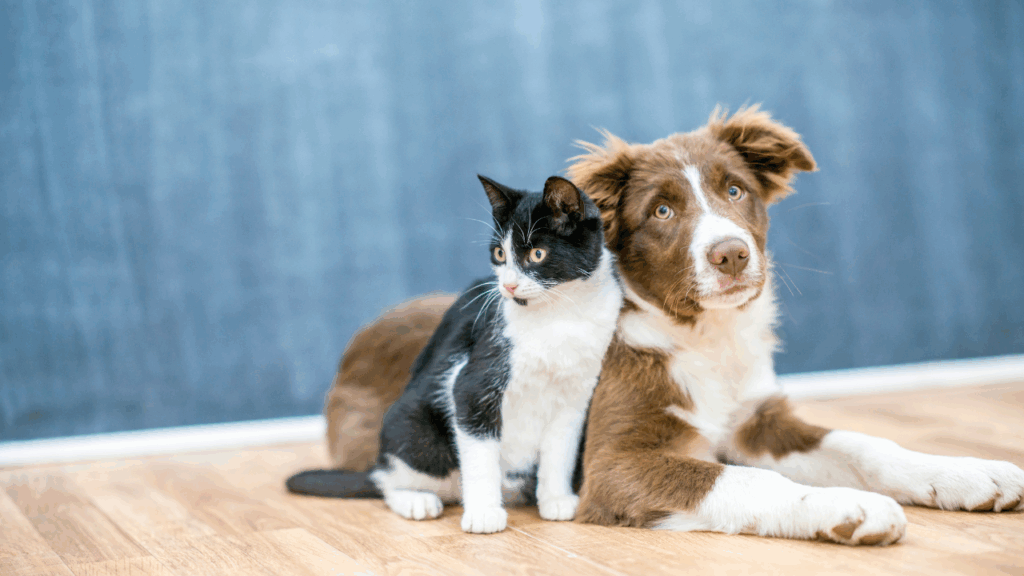
Dogs are the most commonly accepted pets, though some facilities may have restrictions based on size, breed, or temperament. Generally, dogs should be house-trained, non-aggressive, and able to coexist peacefully with other animals and people in a community setting. Smaller to medium-sized dogs often adapt more easily to facility living.
Cats are also widely accommodated, particularly those accustomed to indoor living. Cats generally require less space and direct supervision than dogs, making them relatively easy to incorporate into treatment settings. Most facilities require that cats be litter-trained and have updated vaccinations.
Small animals such as hamsters, guinea pigs, and rabbits are frequently permitted, as they typically remain in enclosures and cause minimal disruption. These pets can provide meaningful companionship while requiring less space and outdoor access than larger animals.
Birds may be allowed in some facilities, though noise considerations and potential allergens can be limiting factors. Smaller species that produce less noise and dander are more likely to be accommodated.
Fish are among the easiest pets to accommodate in treatment settings, requiring only appropriate tank maintenance. Many clients find watching fish calming and meditative.
Reptiles are sometimes permitted, though policies vary significantly between facilities. Non-venomous, legally owned species that require minimal specialized environmental conditions are more likely to be accepted.
“I couldn’t imagine going through detox without my cat, Luna,” shares Maria, a former client at Pet Friendly Rehab. “Having her purring next to me during those first difficult nights made all the difference. She gave me something familiar to hold onto when everything else felt overwhelming.”
Common Requirements and Policies for Bringing Pets to Rehab
Veterinary Documentation Requirements
Most pet-friendly facilities require comprehensive veterinary documentation before admission, including:
- Current vaccination records appropriate to the species
- Recent health certificate from a licensed veterinarian
- Documentation of flea/tick/parasite prevention treatments
- Medical history including any conditions requiring ongoing treatment
- Spay/neuter verification (for dogs and cats)
These requirements ensure the safety of all animals and humans in the facility and minimize health risks in a communal environment.
Behavioral Standards for Pets
Facilities typically assess pets for appropriate behavior and temperament, looking for animals that:
- Can adapt to new environments without excessive stress or aggression
- Demonstrate basic training and obedience (particularly for dogs)
- Tolerate the presence of other animals and unfamiliar people
- Do not exhibit behaviors that would disrupt treatment activities
- Can handle being alone for reasonable periods during intensive therapy sessions
Some facilities may conduct temperament evaluations upon arrival or request videos demonstrating the pet’s behavior in various situations.
Owner Responsibilities During Treatment
Clients bringing pets to treatment facilities must typically agree to:
- Maintain full responsibility for feeding, exercising, and cleaning up after their pet
- Keep pets in designated areas of the facility
- Ensure pets do not interfere with their own or others’ treatment activities
- Cover any costs related to pet care, including food and potential veterinary services
- Have a designated emergency contact who can take the pet if the owner cannot continue care
- Adhere to facility-specific scheduling regarding pet care and treatment participation

Finding Pet-Friendly Drug & Alcohol Rehab Centers Near You
Locating appropriate pet-friendly treatment options requires specific research. While these specialized facilities are growing in number, they remain less common than traditional treatment centers. To find options in your area:
- Use specialized directories like the Substance Abuse and Mental Health Services Administration (SAMHSA) treatment locator with specific queries about pet policies
- Contact local animal-assisted therapy organizations for referrals
- Consult with veterinarians who may know of local options
- Reach out directly to treatment centers to inquire about their pet policies, even if not advertised
- Consider the geographic radius you’re willing to travel for appropriate care
Pet Friendly Rehab maintains facilities in several regions across the country, with our flagship centers located in the Southwest and Pacific Northwest. Our admissions coordinators can help determine if our locations are accessible for your specific situation.
When contacting potential facilities, ask detailed questions about:
- Which types and sizes of pets are permitted
- Whether pets stay in client rooms or separate housing
- Any additional costs associated with pet accommodation
- Staff training regarding animal care and welfare
- Emergency veterinary services availability
Specialized Animal-Assisted Therapy Programs
Animal-Assisted Therapy vs. Pet Companionship
While bringing your own pet provides valuable comfort and continuity, formal animal-assisted therapy (AAT) involves structured therapeutic interventions with specially trained animals guided by qualified professionals. Many pet-friendly facilities offer both options, allowing clients to benefit from their own pet’s presence while also participating in structured therapeutic work with program animals.
AAT animals undergo extensive training and assessment to ensure they can reliably perform specific therapeutic functions and remain calm in various clinical settings. Their handlers typically hold certifications in animal-assisted interventions alongside their primary clinical qualifications.
Types of Animal-Assisted Interventions
Different animal-assisted approaches address various aspects of addiction recovery:
Equine therapy utilizes interactions with horses to develop self-awareness, communication skills, and emotional regulation. The size and sensitivity of horses create unique opportunities for clients to recognize how their energy and behaviors affect others—a valuable insight for those rebuilding relationships damaged by addiction.
Canine therapy programs employ trained dogs to help clients develop trust, practice healthy attachment, and increase mindfulness. Activities might include training exercises, guided interactions, or simply experiencing the non-judgmental presence of therapy dogs during difficult emotional processing.
Other specialized interventions may involve various species depending on the facility’s resources and therapeutic approach. Some programs incorporate farm animals, dolphins (in certain locations), or even wildlife rehabilitation as part of their therapeutic offerings.
Evidence-Based Outcomes of Animal-Assisted Therapy
Research increasingly supports the effectiveness of animal-assisted interventions for substance use disorders. Studies demonstrate particular benefits for:
- Increased treatment retention and program completion rates
- Reduced anxiety and depression symptoms common in early recovery
- Improved emotional regulation and distress tolerance
- Enhanced therapeutic alliance with counselors
- Greater engagement in group therapy sessions
- Improved self-efficacy and confidence
At Pet Friendly Rehab, we integrate evidence-based animal interventions with traditional treatment approaches, including cognitive-behavioral therapy, motivational interviewing, and trauma-informed care.
Financial Considerations for Pet-Friendly Treatment
Additional Costs and Fees
Pet-friendly treatment typically involves some additional expenses, which may include:
- One-time pet deposits ($100-500, depending on facility and animal type)
- Daily or weekly pet accommodation fees ($15-50 per day)
- Pet supplies if not brought from home
- Professional grooming services if required for extended stays
- Potential veterinary care during treatment
At Pet Friendly Rehab, we strive to keep pet-related fees reasonable while maintaining high-quality accommodations for both animals and humans. We believe the therapeutic benefits far outweigh the additional costs for most clients.
Insurance and Payment Options
Currently, most insurance providers do not cover pet-related expenses in treatment settings. However, the core treatment services remain covered according to your insurance plan’s usual terms. Pet-related costs typically require out-of-pocket payment.
Some options to manage these additional expenses include:
- Payment plans specifically for pet-related fees
- Scholarships or grants from animal welfare organizations (available in some regions)
- HSA/FSA funds for certain pet therapy programs with appropriate documentation
Our financial counselors can help navigate these options and develop a manageable payment approach.
Safety and Well-being Protocols for Patients and Pets
Pet-friendly facilities implement comprehensive protocols to ensure the welfare of all residents, both human and animal. These typically include:
- Designated pet-friendly spaces with appropriate flooring, furniture, and outdoor access
- Regular wellness checks for animals by staff with animal care training
- Scheduled quiet times and exercise periods for pets
- Clearly defined boundaries for where pets can and cannot go within the facility
- Enhanced cleaning protocols to maintain hygiene standards
- Staff training on recognizing animal stress and intervening appropriately
- Partnerships with local veterinarians for emergency care
At Pet Friendly Rehab, our facilities are specifically designed with animals in mind, featuring appropriate spaces for various species and activities that benefit both pets and their owners.
Understanding the Distinction Between Pets, Emotional Support Animals, and Service Animals
Legal Definitions and Rights
It’s important to understand the different classifications of animals in treatment settings:
Service animals are legally defined under the Americans with Disabilities Act as dogs (and in some cases, miniature horses) individually trained to perform specific tasks for a person with a disability. They have the broadest legal access rights and must be accommodated in most settings.
Emotional support animals (ESAs) provide comfort through their presence but aren’t trained for specific tasks. They have some housing protections under the Fair Housing Act but fewer public access rights than service animals.
Pets have no specific legal protections for access to public spaces or housing, making pet-friendly treatment facilities particularly important for those without service or ESA documentation.
Documentation Requirements
The documentation needed varies by category:
Service animals require no specific documentation, though facilities may ask two questions: (1) is the animal required because of a disability? and (2) what work or task has the animal been trained to perform?
Emotional support animals typically require a letter from a licensed mental health professional stating that the animal is necessary for the individual’s mental health treatment.
Pets in treatment facilities require veterinary health documentation and must meet the facility’s specific requirements regarding behavior and care.
How Treatment Centers Accommodate Different Types of Support Animals
Treatment centers typically have tiered policies:
- Service animals must be accommodated under federal law, with few restrictions
- ESAs are often accommodated similarly to service animals at pet-friendly facilities
- Pets are subject to the specific pet policies of each facility
At Pet Friendly Rehab, we welcome all three categories while maintaining appropriate distinctions to comply with regulations and ensure safety.
Choosing the Right Pet-Friendly Drug & Alcohol Treatment Center
Essential Features to Look For
When evaluating pet-friendly treatment options, consider:
- Staff expertise with both addiction treatment and animal behavior
- Physical facilities appropriate for your specific pet’s needs
- Balance between pet integration and focused treatment time
- Clear policies regarding pet care responsibilities
- Emergency protocols for both human and animal medical needs
- Treatment approaches that align with your recovery goals
- Appropriate accreditations and licensing
Questions to Ask Before Enrollment
Before making a final decision, ask:
- “How are pets incorporated into the daily treatment schedule?”
- “What happens if my pet becomes ill during my stay?”
- “Are there dedicated staff members with animal care training?”
- “How do you handle situations where pets don’t adapt well?”
- “What specific spaces and amenities are available for my type of pet?”
- “Can I see photos or tour the pet-friendly areas of the facility?”
- “What is your success rate with clients who bring pets?”
Red Flags to Watch For
Be cautious of facilities that:
- Have vague or inconsistent pet policies
- Cannot describe their specific pet accommodations in detail
- Have no protocols for pet emergencies
- Charge excessive fees for basic pet accommodations
- Report frequent issues with pets needing to be removed
- Have staff who seem uncomfortable or unfamiliar with animals
- Provide minimal outdoor access for dogs or active pets
Pet Friendly Rehab: Our Approach to Inclusive Recovery
At Pet Friendly Rehab, we believe in treating the whole person—including their significant bonds with animal companions. Our approach includes:
- Purpose-built facilities with pet-friendly accommodations integrated throughout
- Staff trained in both addiction treatment and animal behavior
- Structured daily schedules that balance treatment activities and pet care time
- Optional animal-assisted therapy programs to complement traditional treatment
- Community spaces where clients and pets can socialize appropriately
- Partnerships with local veterinarians for routine and emergency care
- Family-style meals in pet-friendly dining areas (with appropriate pet management)
Our clients consistently report that having their pets with them during treatment significantly reduced their resistance to entering rehab and provided critical emotional support during challenging moments in recovery.
“When I finally found a place where I could bring my dog, Max, it removed my last excuse for avoiding treatment,” shares David, a program graduate. “Having him with me helped me feel more at home and gave me someone to be strong for when I wanted to give up.”
Frequently Asked Questions About Pet-Friendly Rehab
1. Can I bring more than one pet to treatment?
Most facilities, including Pet Friendly Rehab, evaluate multiple pets on a case-by-case basis. Factors include the pets’ relationship with each other, space considerations, and your ability to care for multiple animals while focusing on treatment.
2. What happens if I need more intensive care than expected and cannot care for my pet temporarily?
We maintain relationships with local pet sitters and boarding facilities for such situations. Additionally, we recommend having a backup person identified who could temporarily care for your pet if necessary.
3. Are there private rooms available for clients with pets?
Most pet-friendly facilities offer private or semi-private accommodations for clients with animals. At Pet Friendly Rehab, we have various room configurations designed specifically for clients with different types of pets.
4. How do you handle conflicts between pets in the facility?
We carefully assess pet temperaments before admission and maintain appropriate supervision in common areas. Pets displaying aggression may need to be housed separately or, in rare cases, may need alternative arrangements.
5. Can my family bring my pet to visit if I choose not to have them stay full-time?
Many facilities, including ours, offer pet visitation options for those who prefer not to have their pet stay full-time but would benefit from regular contact.
6. What if my pet has special dietary needs or requires medication?
We accommodate special diets and medications for pets, similar to how we handle these needs for our human clients. Staff can provide medication reminders, though administering medications remains the owner’s responsibility.
7. Are there designated outdoor areas for pets to exercise?
Yes, our facilities include secure outdoor areas specifically designed for pet exercise and enrichment, including dog runs, walking paths, and play areas appropriate for various animals.
8. How do you maintain cleanliness with animals in the facility?
We implement enhanced cleaning protocols, including specialized air filtration, regular sanitizing of common areas, and providing pet owners with appropriate cleaning supplies for their living spaces.
9. Do you provide pet supplies or should I bring everything my pet needs?
We recommend bringing your pet’s familiar items from home (beds, toys, etc.) for comfort, though we can provide basics if needed. Food, specialized items, and any medications should be brought from home.
10. What percentage of your clients bring pets to treatment?
Approximately 30% of our clients bring pets to treatment, creating a balanced community where both pet owners and non-pet owners can feel comfortable.
Conclusion
The decision to seek treatment for substance use disorders represents a crucial step toward reclaiming your life and health. For many, the thought of separating from a beloved pet during this vulnerable time presents an unnecessary additional challenge. Pet-friendly drug and alcohol treatment options like those offered at Pet Friendly Rehab eliminate this barrier, allowing you to maintain the valuable support your animal companion provides while receiving the professional help you need.
The human-animal bond can be a powerful ally in the recovery process, offering unconditional love, motivation, and emotional regulation during challenging moments. By choosing a facility that honors and incorporates this relationship, you gain additional resources for your healing journey.
If you or someone you love is struggling with addiction and hesitant to seek help due to concerns about a pet, remember that compassionate, effective treatment options exist that welcome both you and your animal companion. Taking this step together could make all the difference in your recovery success.
To learn more about our pet-friendly treatment programs or to begin the admissions process, contact Pet Friendly Rehab today at (888) 555-7246 or visit www.petfriendlyrehab.com.